Case Study · 2018
Bridging the Gap in Patient-Caregiver Care
Overview
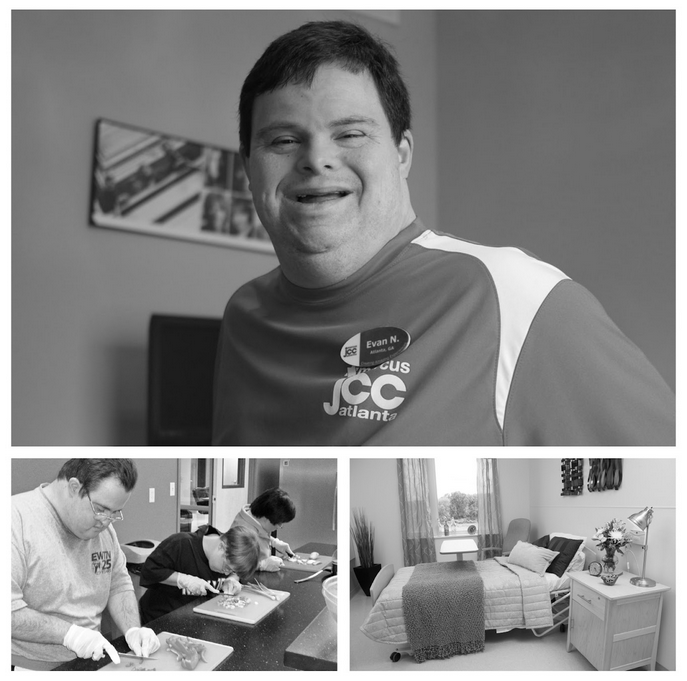
At the start of the project, we planned to focus on patients living in care home facilities. We mapped out the different patient groups commonly found in these settings, then discussed which group to prioritize based on need and impact. The team initially considered focusing on dementia or mental disorders. After reviewing the range of mental disorders in more detail, we narrowed our scope to intellectually disabled patients.
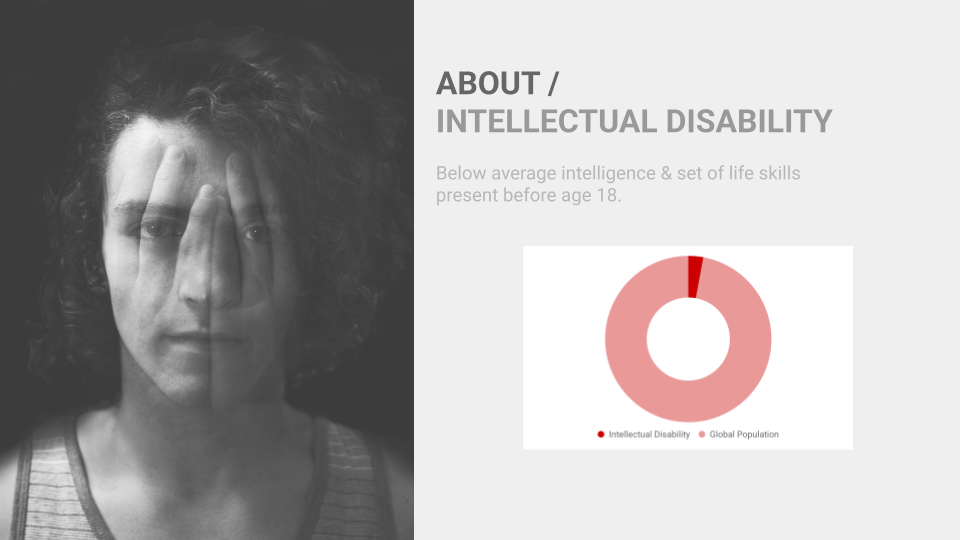
These limitations can cause a child to develop and learn more slowly or differently than a typically developing child.
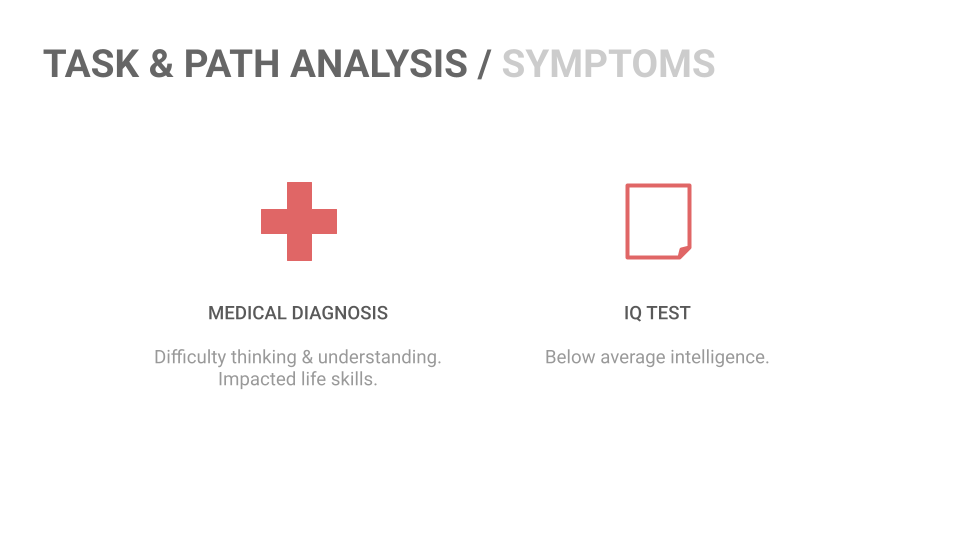
Requires a medical diagnosis.
Lab tests or imaging are rarely required.
Intellectual function can be measured with an IQ test to detect below-average intelligence.
The main symptom is difficulty thinking and understanding.
Life skills that can be impacted include certain conceptual, social, and practical skills.
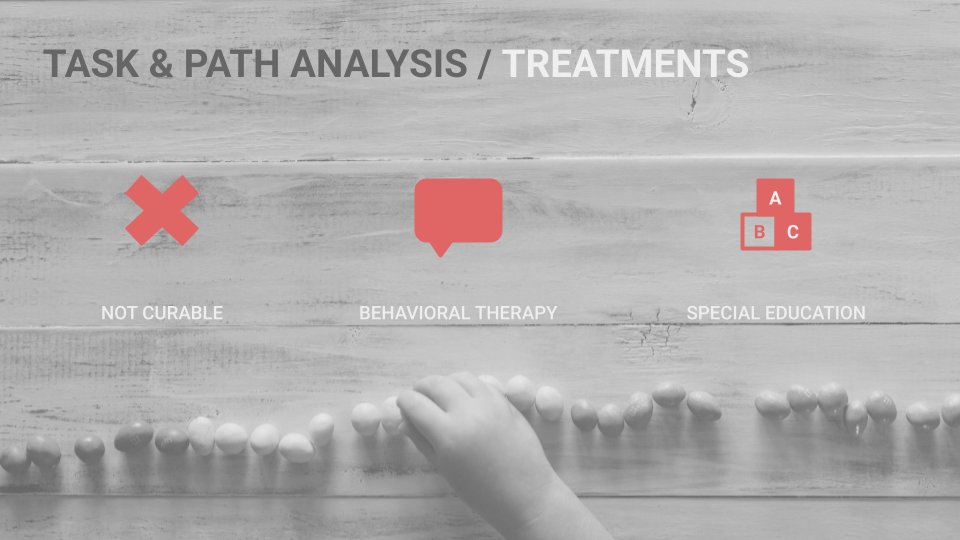
Special education and behavioral therapy can help a person live to their fullest.
Therapies
Developmental social-pragmatic model, applied behavior analysis, behavior therapy, sensory processing, and animal-assisted therapy.
Self-care
Physical exercise and special education.
Specialists
Occupational therapist, speech therapist, pediatric neurologist, clinical psychologist, psychiatrist, and pediatrician.
Day Programs
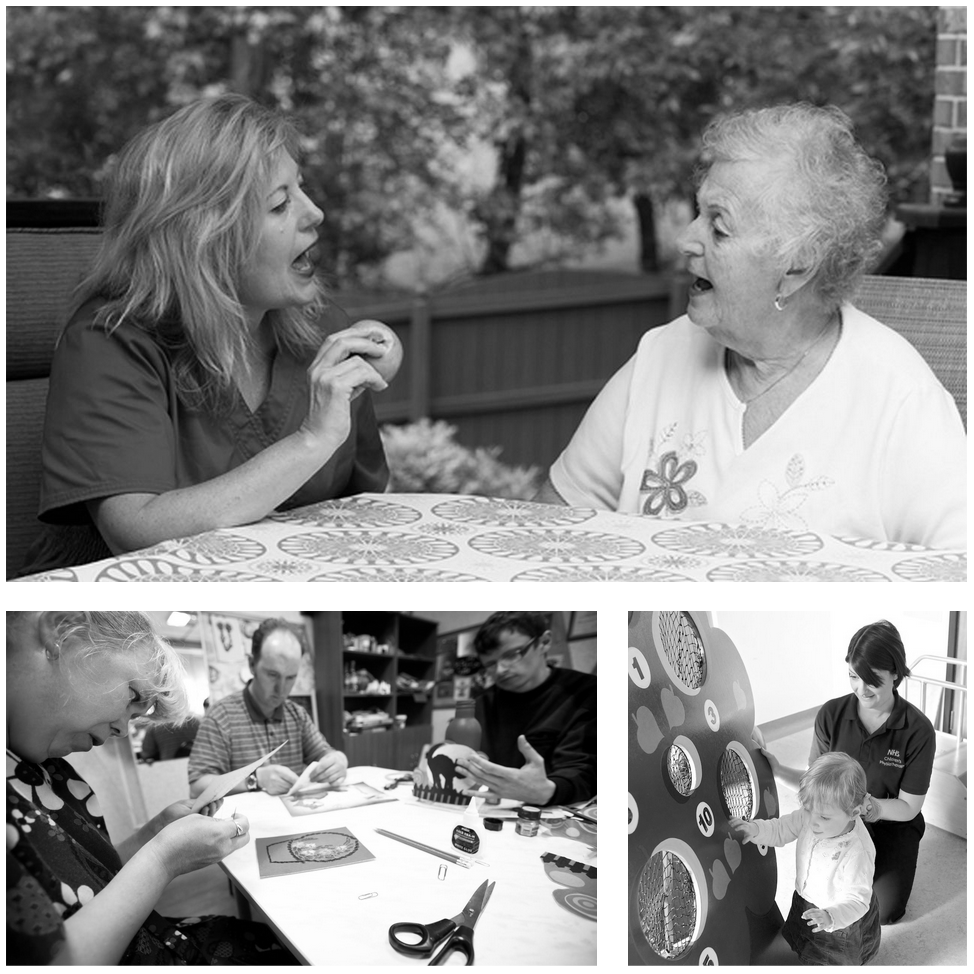
Adults with intellectual and developmental disabilities want to spend their days achieving new goals, interacting with others, and enjoying meaningful activities. Our Day Programs, some of which have unique themes such as art programs and client-run coffee shops, offer a wide variety of structured activities, supportive therapy, and opportunities for skill-building that enrich the lives of those we serve.
All of this occurs in local neighborhoods, offering each adult the chance to make new friends and take part in their communities.
Vocational Services
Working, training & support.
Housework
Laundry, cleaning, washing dishes, meal times.
SLPs (Speech Language Pathologists) play a key role in assessing communication skills of ID individuals.
Play a role in enhancing adaptive communication functioning.
Other individuals encountered in natural environments.
Activity schedules and visual supports.
Environmental arrangements.
Time delay.
A behavioral teaching method that fades the use of prompts during instruction. For example, the time delay between the initial instruction and any additional instruction or prompting is gradually increased as the individual becomes more proficient in the skill being taught. Time delay can be used with individuals regardless of cognitive level or expressive communication abilities.
Technology Touch Points
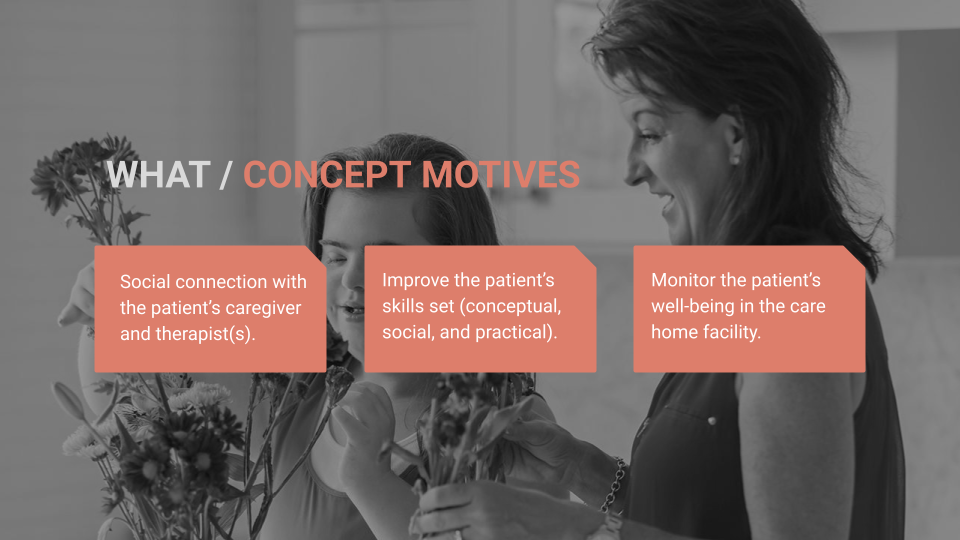
Our team and I wanted to address the "Whats" by focusing on a concept that fosters social connection between patients and caregivers, enhances practical and social skill sets, and ensures continuous well-being monitoring within care home facilities.
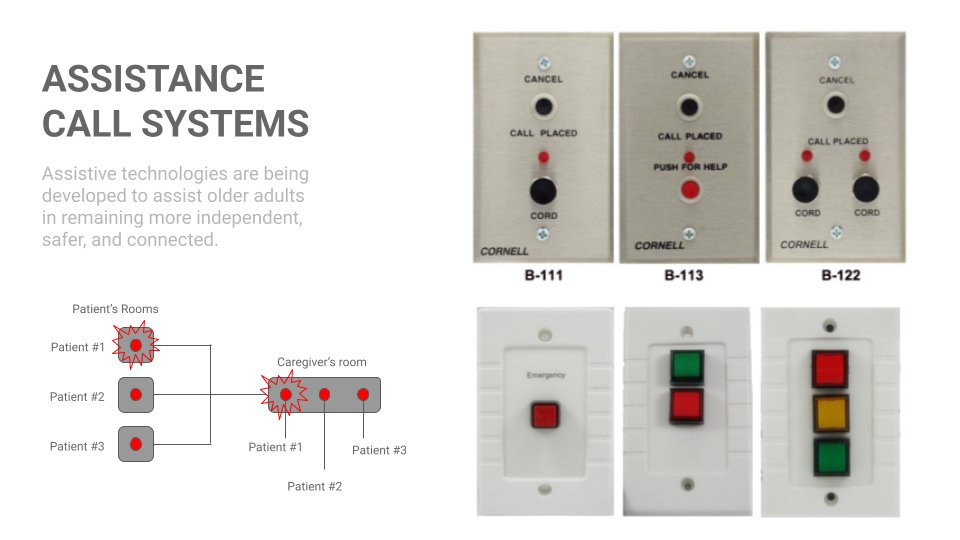
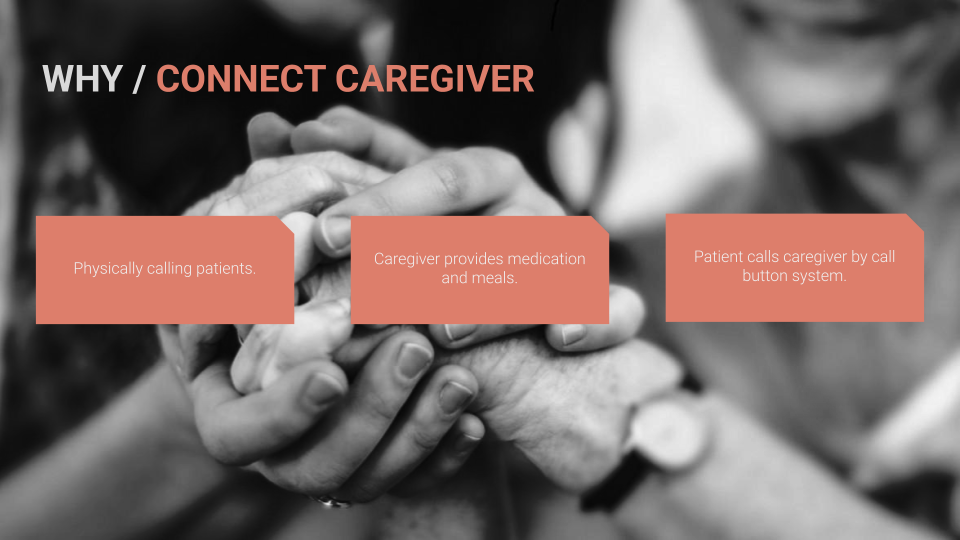
Our team and I wanted to address the "Whys" by examining the core interactions between caregivers and patients, specifically focusing on the necessity of physical check-ins, the delivery of essential medication and meals, and the reliance on call button systems for immediate communication.
User Persona
29 / Mild intellectual disability condition
Tony lives in a care home facility along with 5 other patients who have the same condition. He attends day programs weekly and has a part-time job as a cashier at a local fast food joint.
He is monitored and taken care of by a caregiver. She tracks his medication, meals, and chores done around the facility. Tony also visits his therapist bi-weekly to help improve his cognitive and behavioral skills.
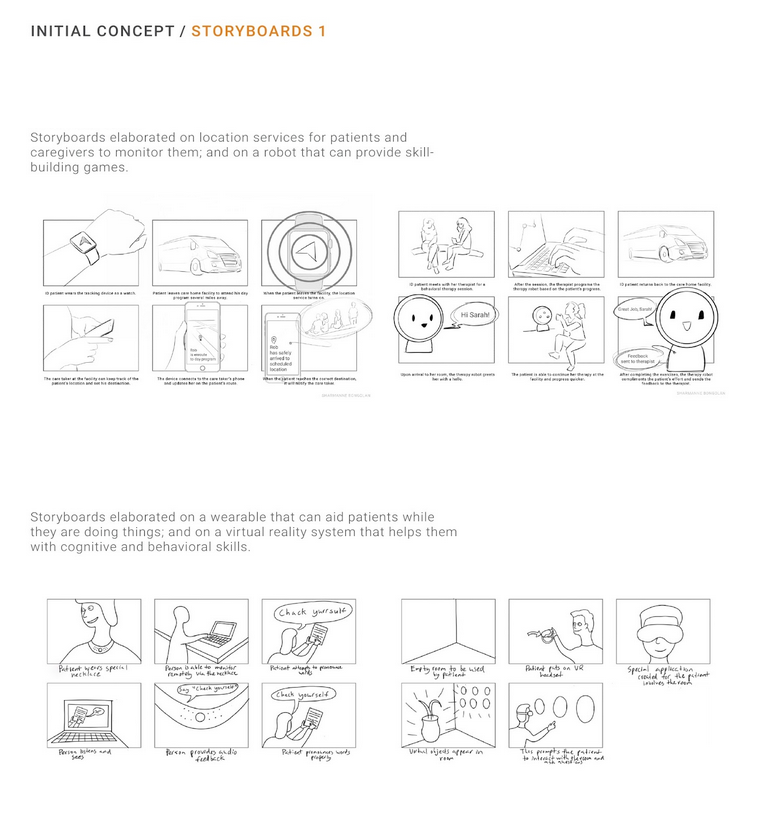
Story-boarding
Support for issues that cannot be resolved quickly, including clear handoffs to a caregiver when needed.
Alternative communication options for people with speech impediments, such as touch, visual prompts, or preset responses.
Telepresence for moments when a caregiver is not immediately available.
Robot placement and mobility, including whether it should stay in one location or move between rooms.
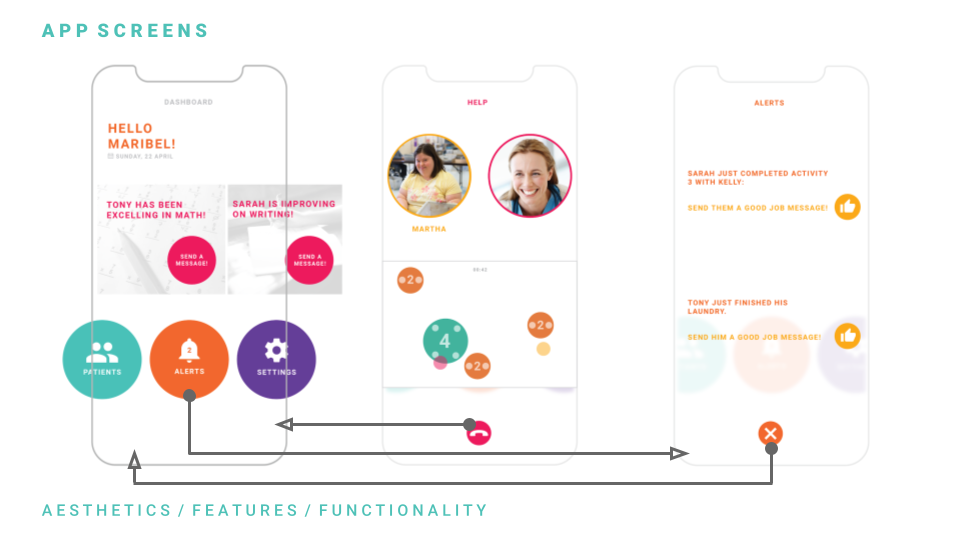
Workflows for caregivers supporting multiple patients at the same time, including prioritization and alerts.
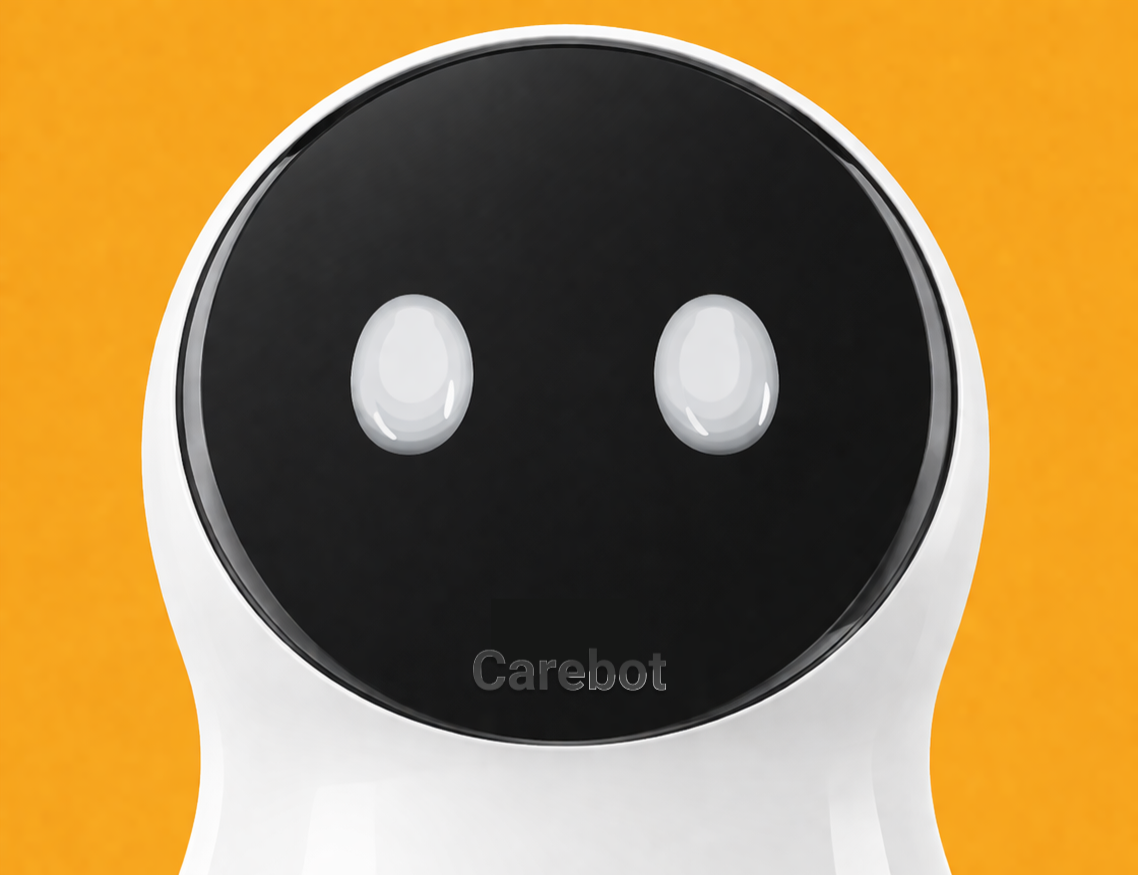
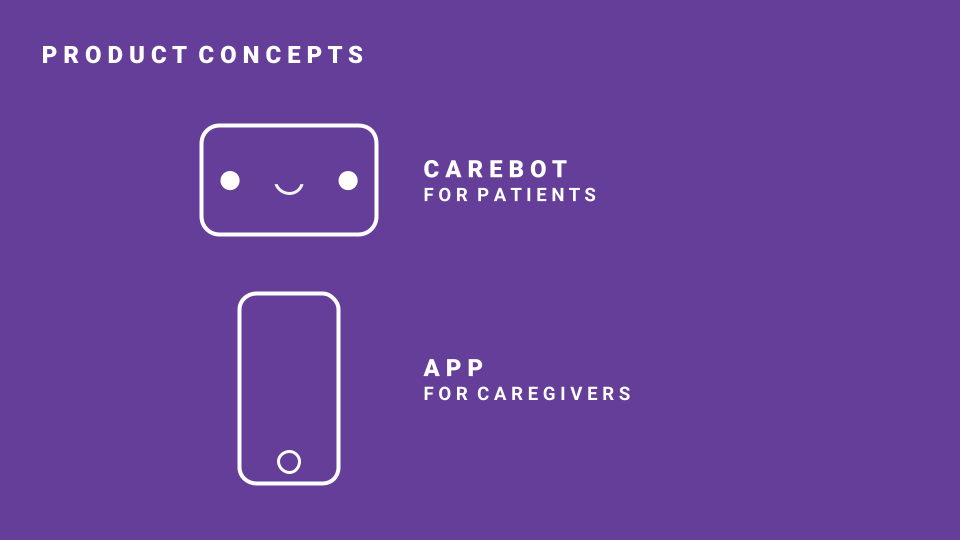
Carebot is a robot interface designed to support people with intellectual disabilities who live in care home facilities. It helps residents build everyday skills and improve their overall wellness through guided interactions. Caregivers also use a companion app to track tasks, monitor progress, and stay informed about each resident's activities.
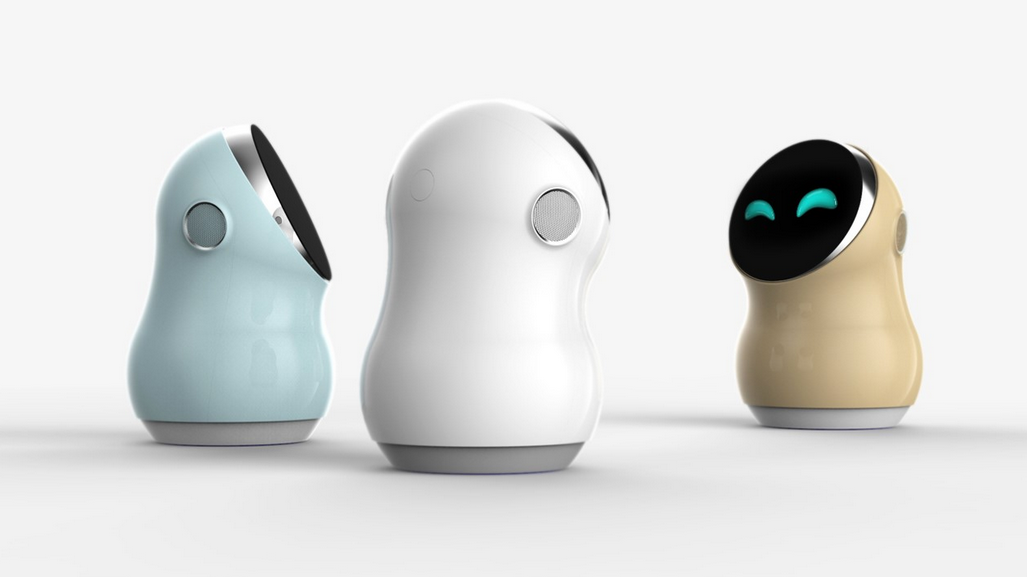
We chose a robot because it offered a more personal way to interact with the app.
Instead of another tablet interface, the robot could feel like a friend or buddy, someone you can talk to, care for, and socialize with, which made the experience warmer and more engaging.
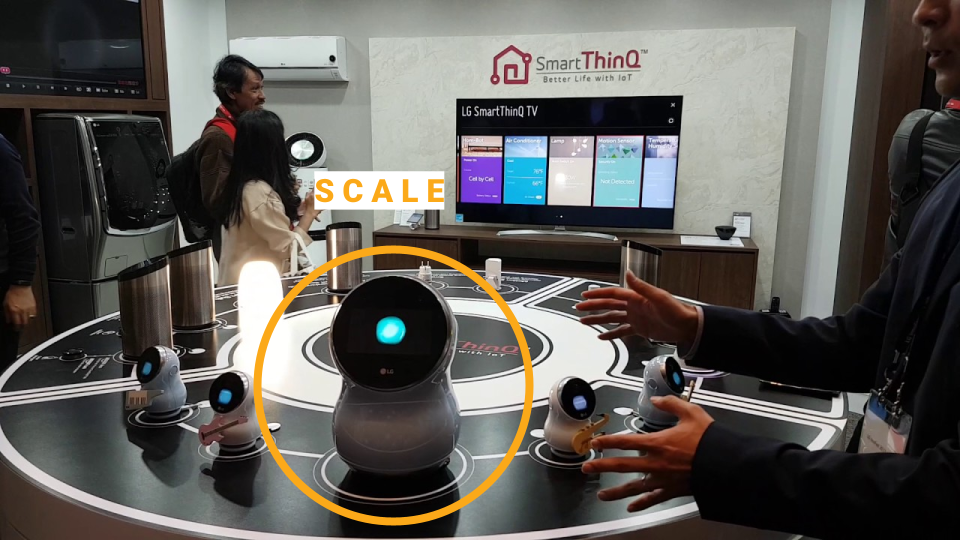
Because smart robots are already on the market, we knew the core technology was proven and ready to scale. Our focus was exploring how this existing platform could be adapted for healthcare, specifically to support staff with repeatable tasks like wayfinding, delivering supplies, and sharing basic information. Starting with a product that already worked let us spend our time where it mattered most: understanding clinical workflows, prioritizing safety, and designing for day to day usability instead of building hardware from scratch.
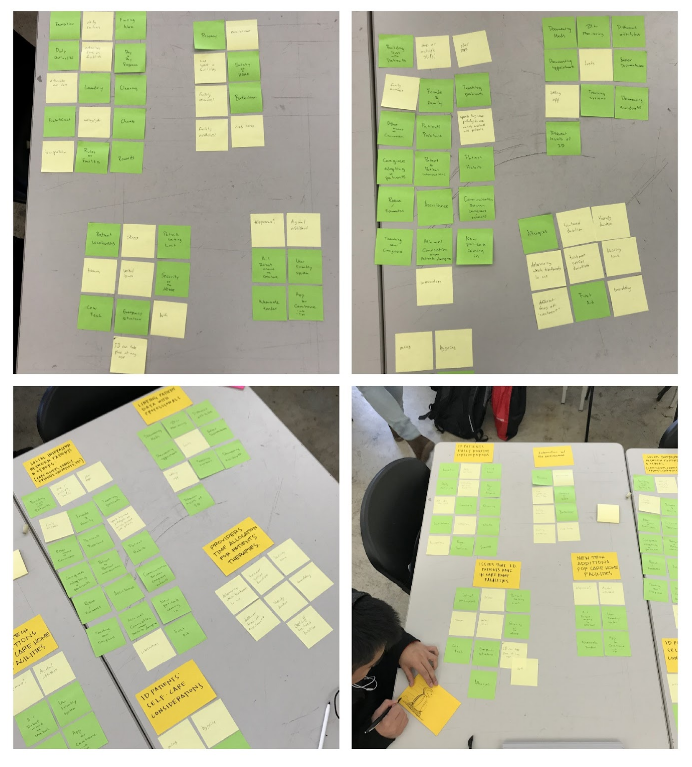
To kick things off, we mapped out the patient's full ecosystem. We broke down the roles, relationships, routines, and day to day tasks, plus anything else that could affect how an intellectually disabled patient interacts with the experience.
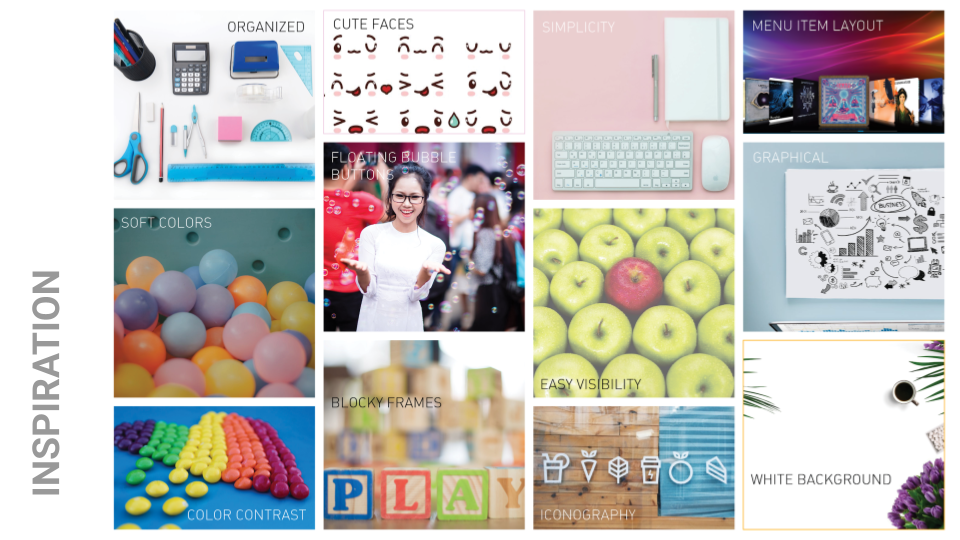
I gathered a range of visual and aesthetic references to explore how the product could look and feel. These ideas helped us align on a direction for layout, typography, color, and overall style before moving into detailed design.
User Flows
Visual Designs
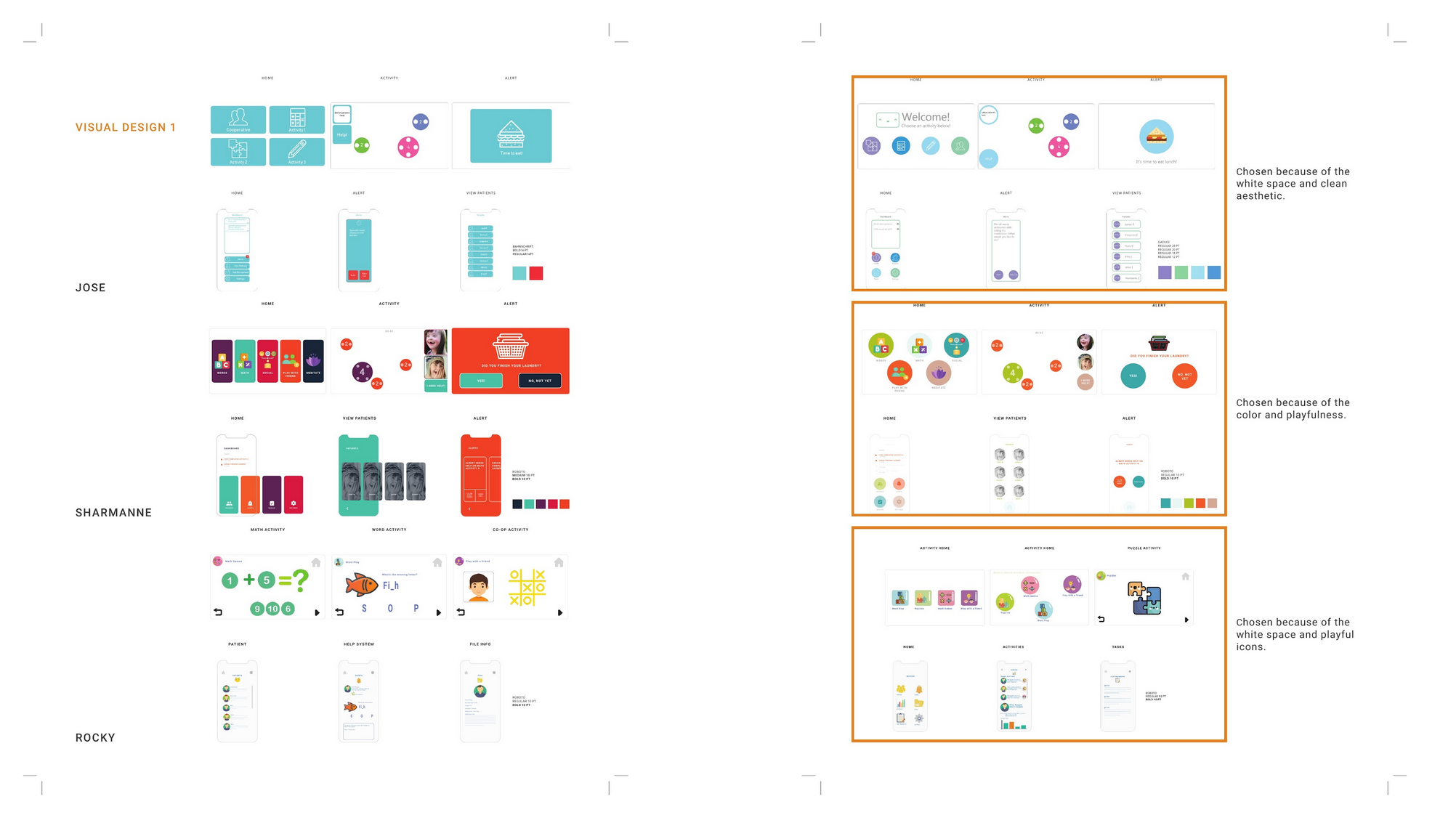
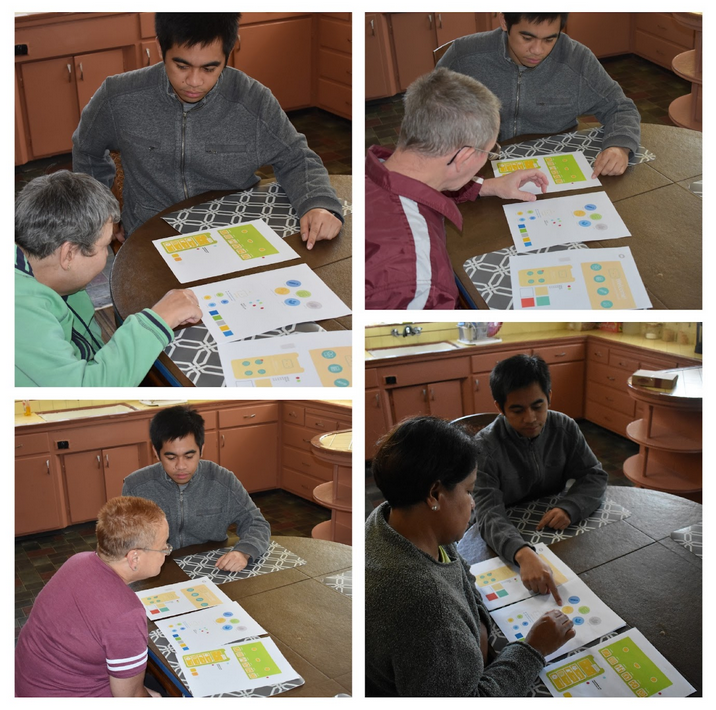
We shared our compositions with intellectually disabled patients and their caregiver to gather feedback. Rocky brought the designs to a local care home facility where his mother works. The patients preferred the middle design. While they could not explain their choice in detail, they said they liked the extra white space and the overall simplicity.
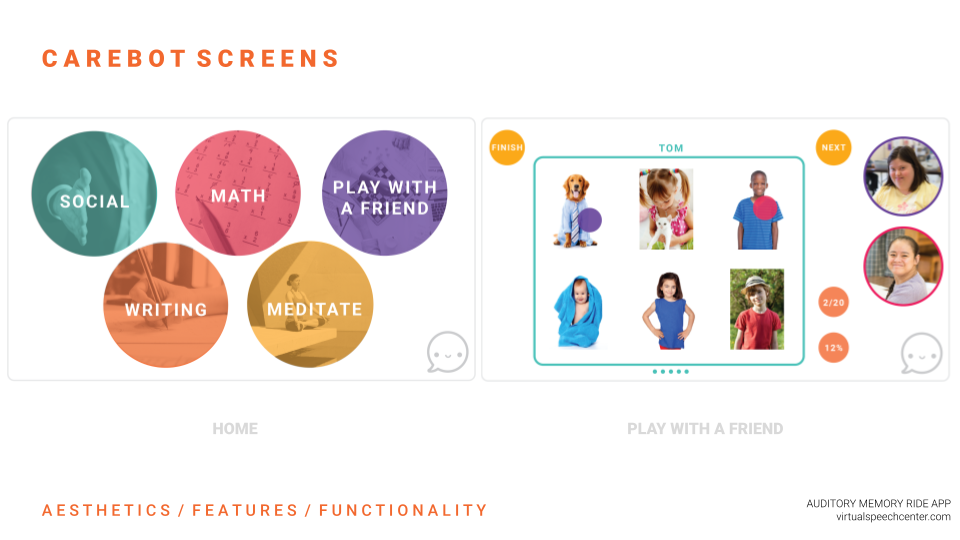
Final Patient UI Design: Carebot Screens
Final Caregiver UI Design: Phone App Screens
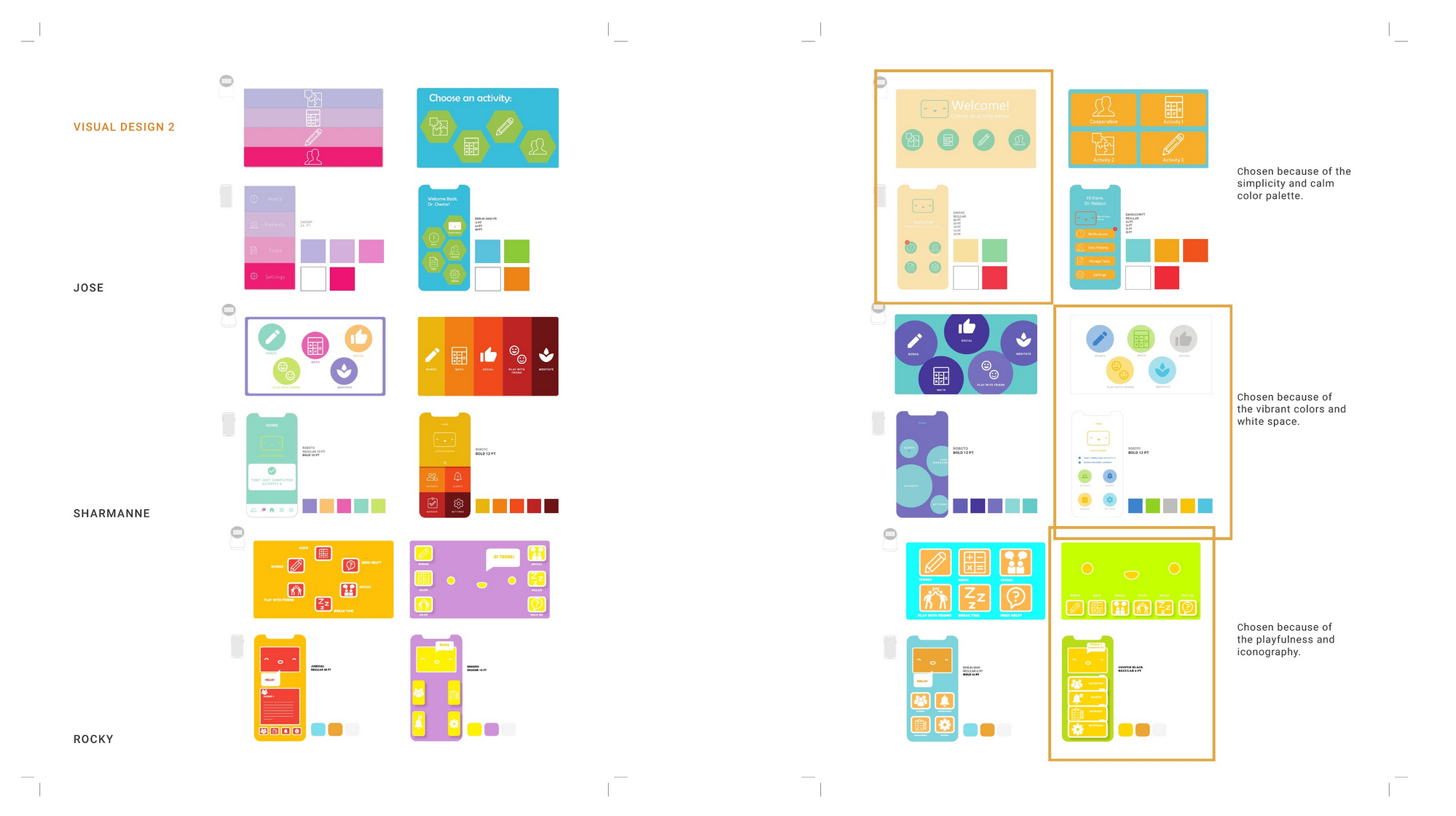
We chose a vibrant color palette that feels energetic and welcoming. The colors support a clear visual hierarchy, make key actions easy to spot, and stay consistent across the interface. For typography, we used a bold, easy to read font like Roboto to improve readability and keep the UI clean and modern.
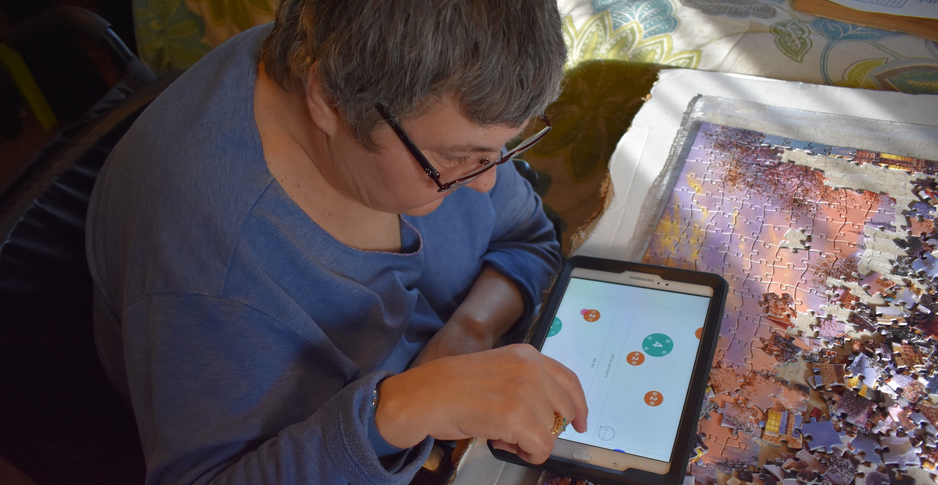
We brought the new compositions back to the same patients who tested our earlier designs. Once again, they preferred the version with a white background and colorful buttons. Several patients even tried to press the buttons and interacted with the screen as if it were a working prototype.
Ultimately, Carebot redefined the care experience by bridging the gap between patients and caregivers. By replacing outdated systems with a modern, efficient interface and integrating features for meaningful engagement, we've created a more connected and supportive environment for everyone involved.