Case Study · 2018
Rethinking the handheld controller from the inside out
This project focuses on solving the common problems most console gamers run into during everyday play. I looked at where the experience breaks down most often, then designed improvements that make gaming feel smoother, faster, and less frustrating.
Players often use a controller for long sessions, and their hands can get sweaty or tired during and after a game. This can reduce comfort, affect grip, and make it harder to keep playing for extended periods.
I improved the player experience using an insideout design approach. I started by identifying what players needed in the moment, then shaped the interface and interactions around those needs, so key actions felt clear, fast, and satisfying during play.
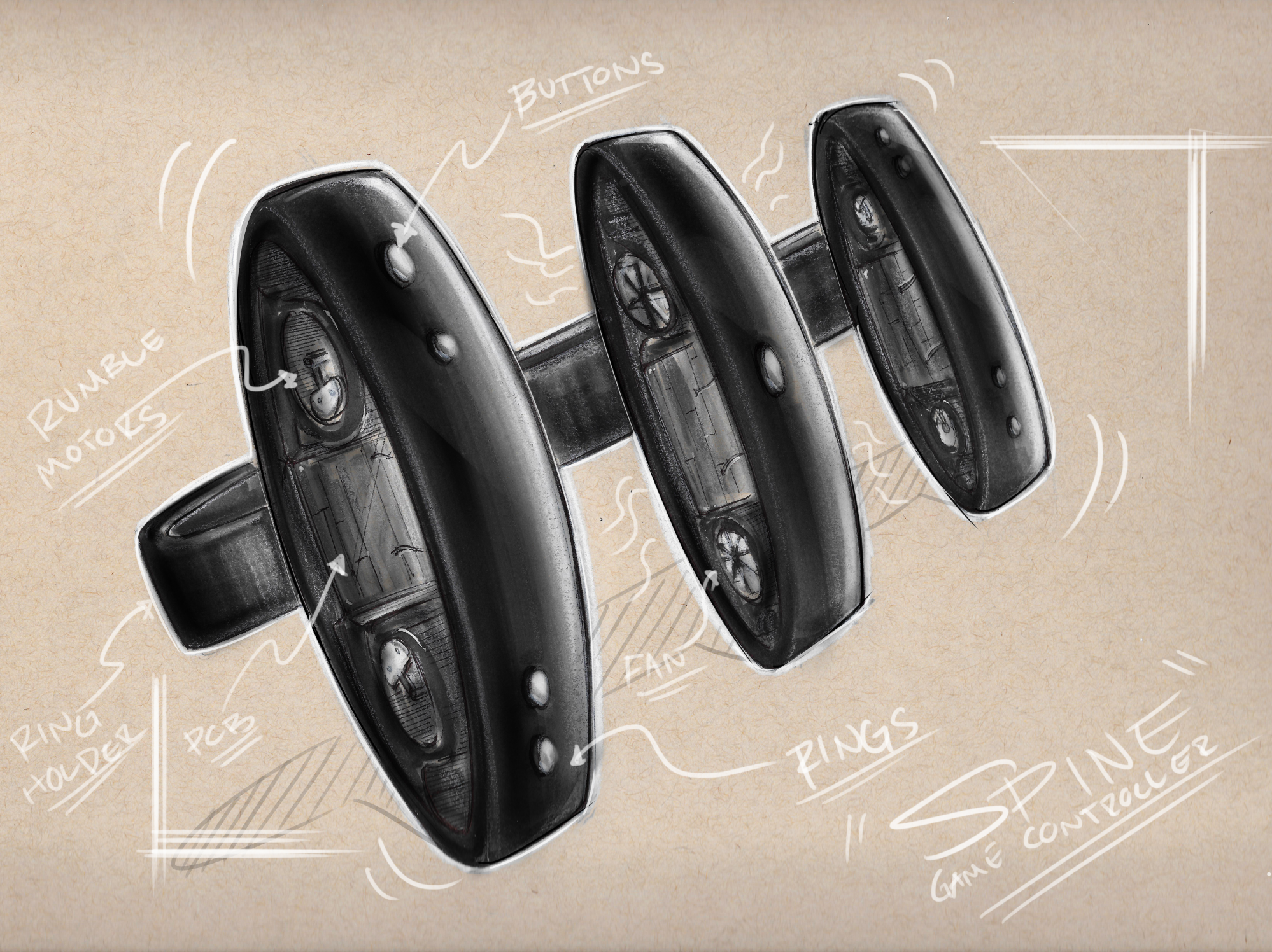
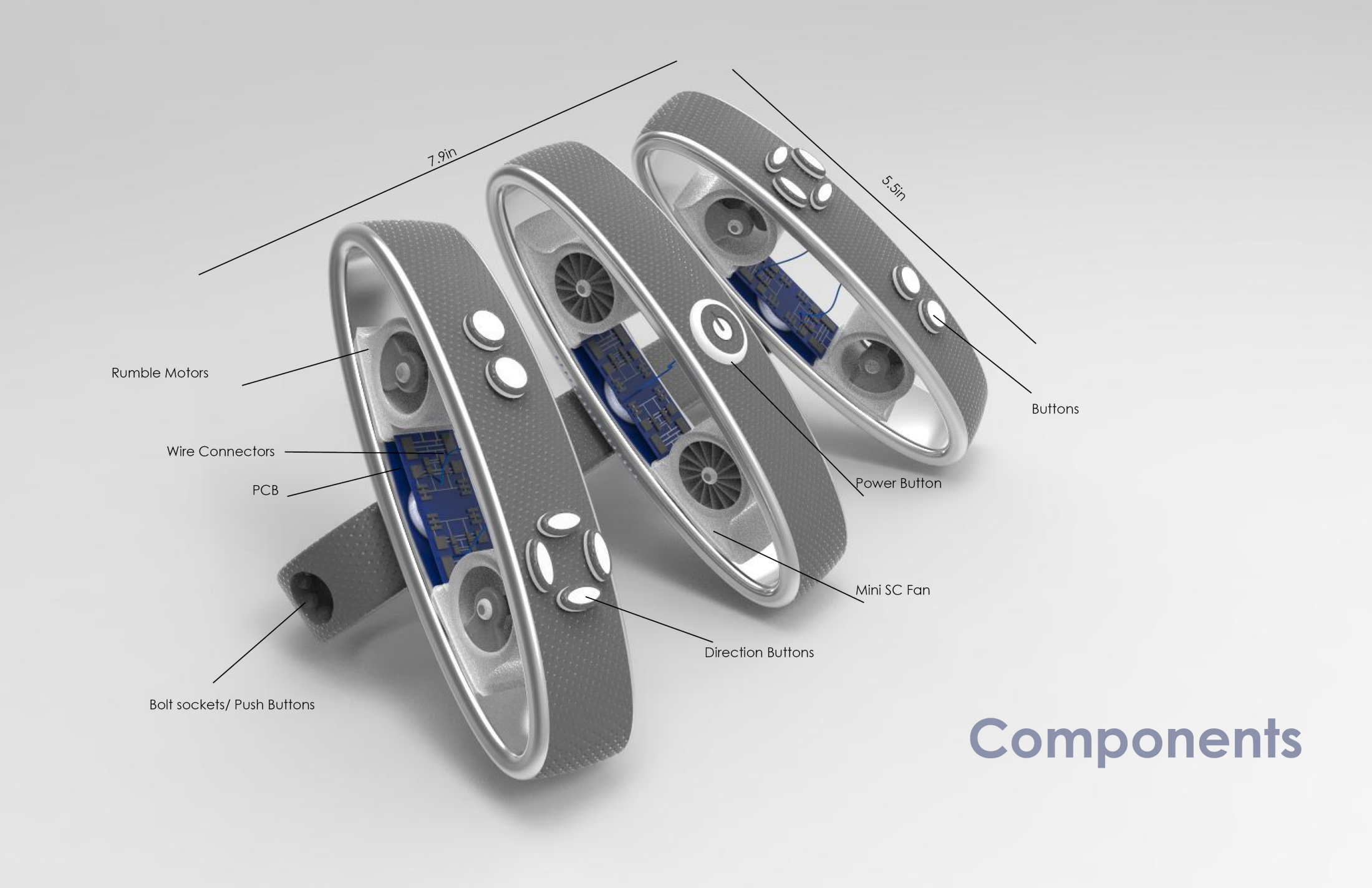
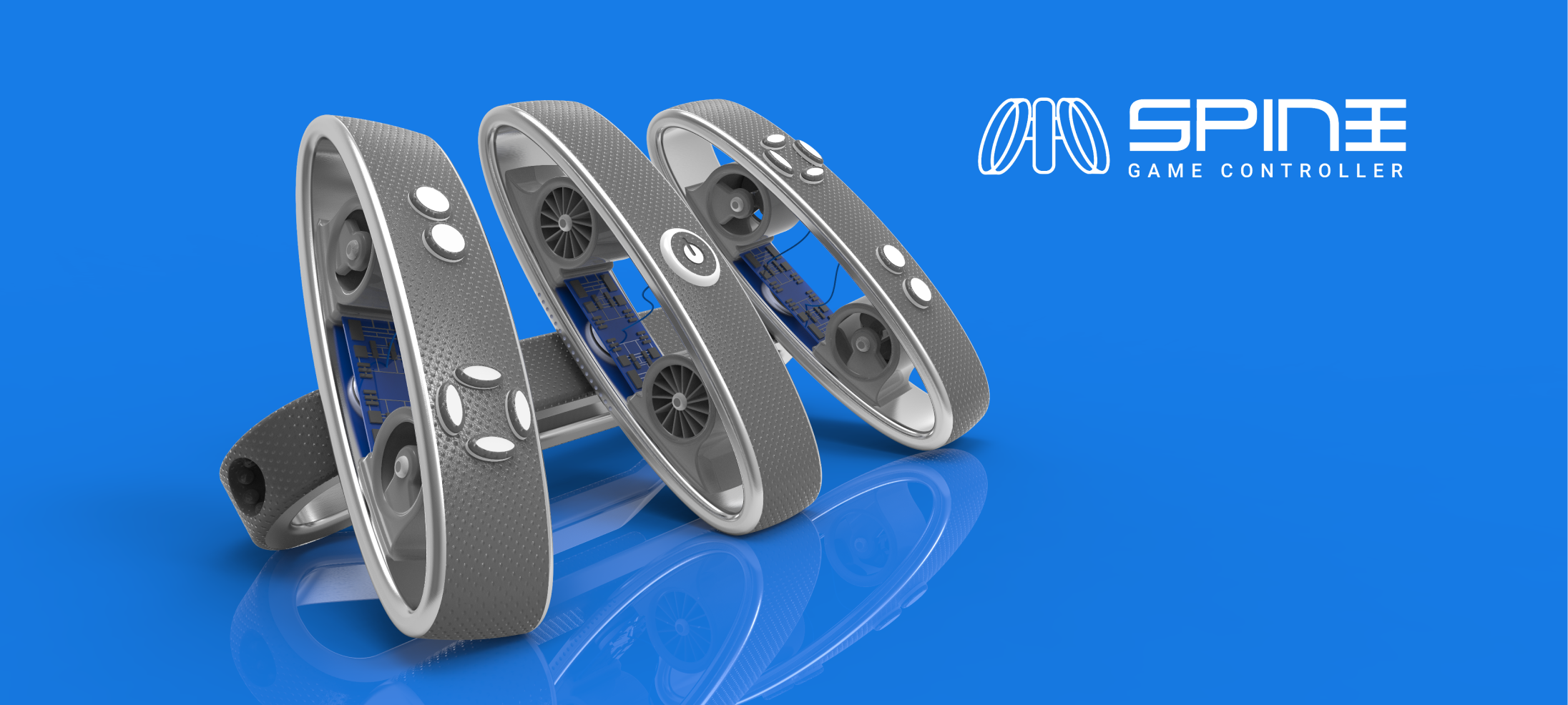
Create an insideout design that reveals the product's internal components while still looking intentional, premium, and easy to understand. The goal was to turn what is usually hidden into a clear visual feature, without hurting usability and safety.
Reduce the controller's perceived weight so it feels lighter in hand during short and long play sessions.
Improve controller comfort for longer play sessions by reducing slipping from sweaty hands and minimizing wrist strain linked to carpal tunnel symptoms. Focus on grip texture, handle shape, and button placement to support a more secure hold and a more neutral wrist posture.
Design a modular controller function that can adapt to different game types. I broke inputs into reusable components, so I could swap mappings and interaction logic for genres like platformers, racers, or puzzle games without rewriting the whole controller.
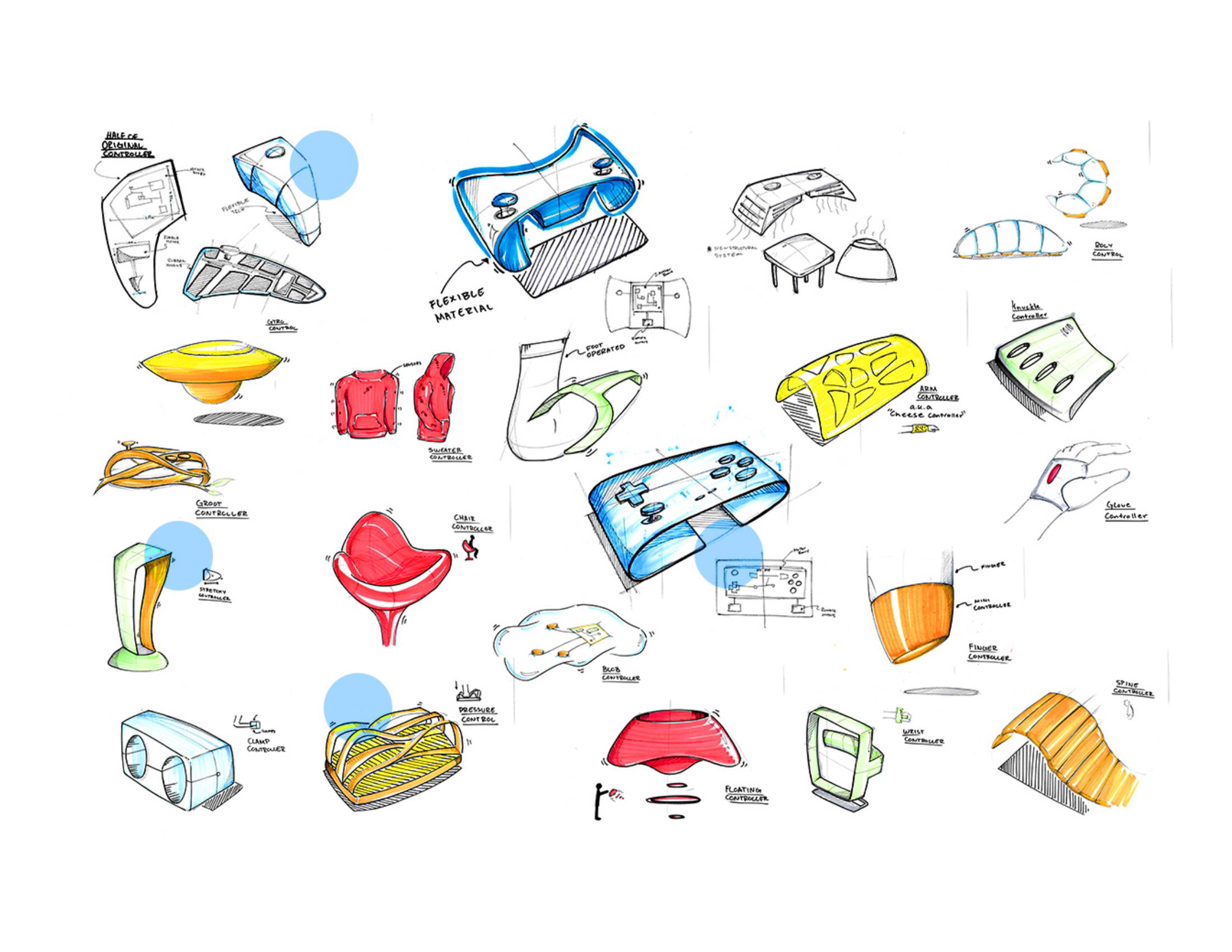
I started by sketching every idea that came to mind, then checked each one against the goals I needed to meet. I kept the process loose and fast, using quick sketches of random forms and shapes to build momentum and explore a wide range of directions. At this stage, I focused primarily on the form.
Blue circles indicates what ideas I am favoring the most. These ideas would then be developed further in a later stage.
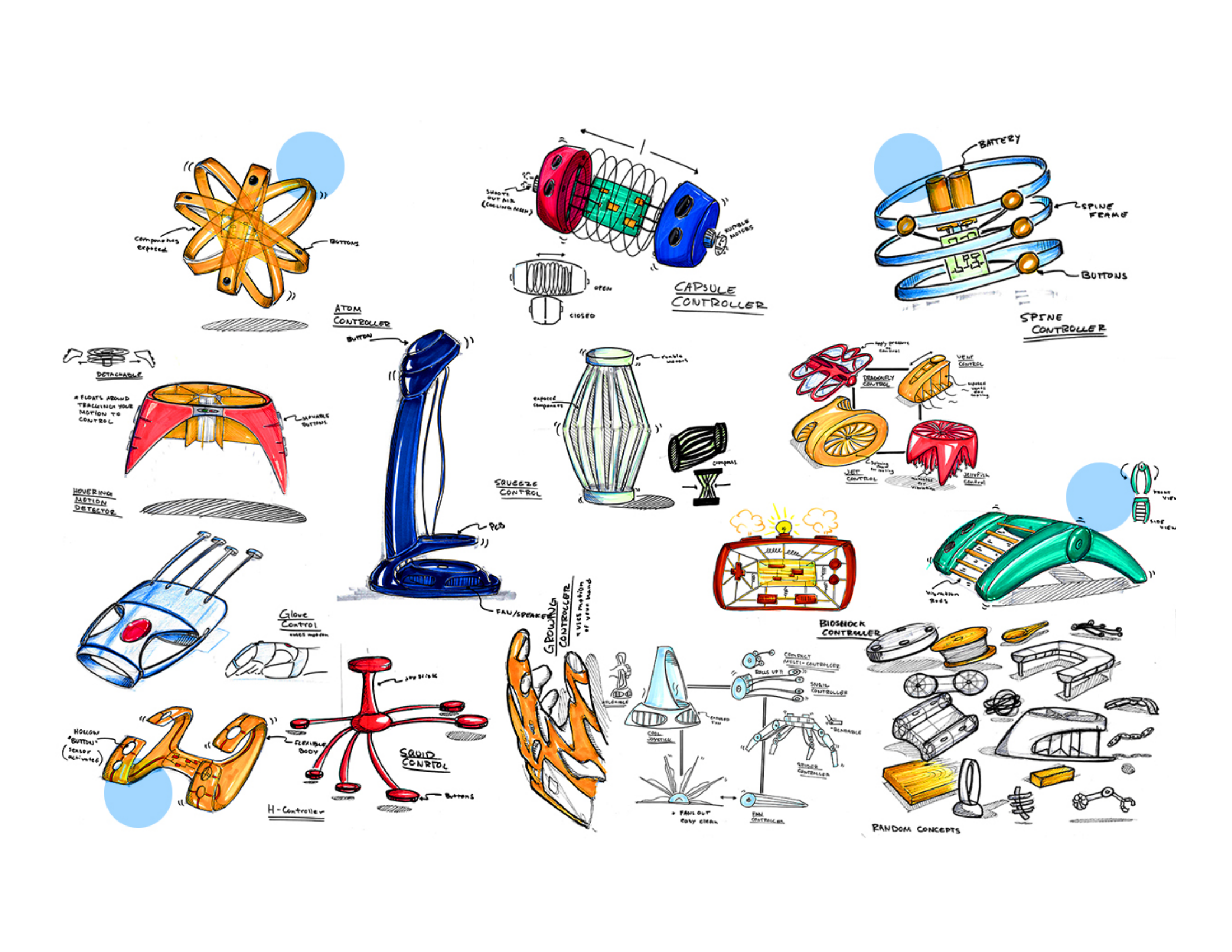
In my second round of ideation, I focused more on function than form. I explored different ways the experience could work, mapped key user actions, and compared options based on feasibility and impact before moving into visual refinement.
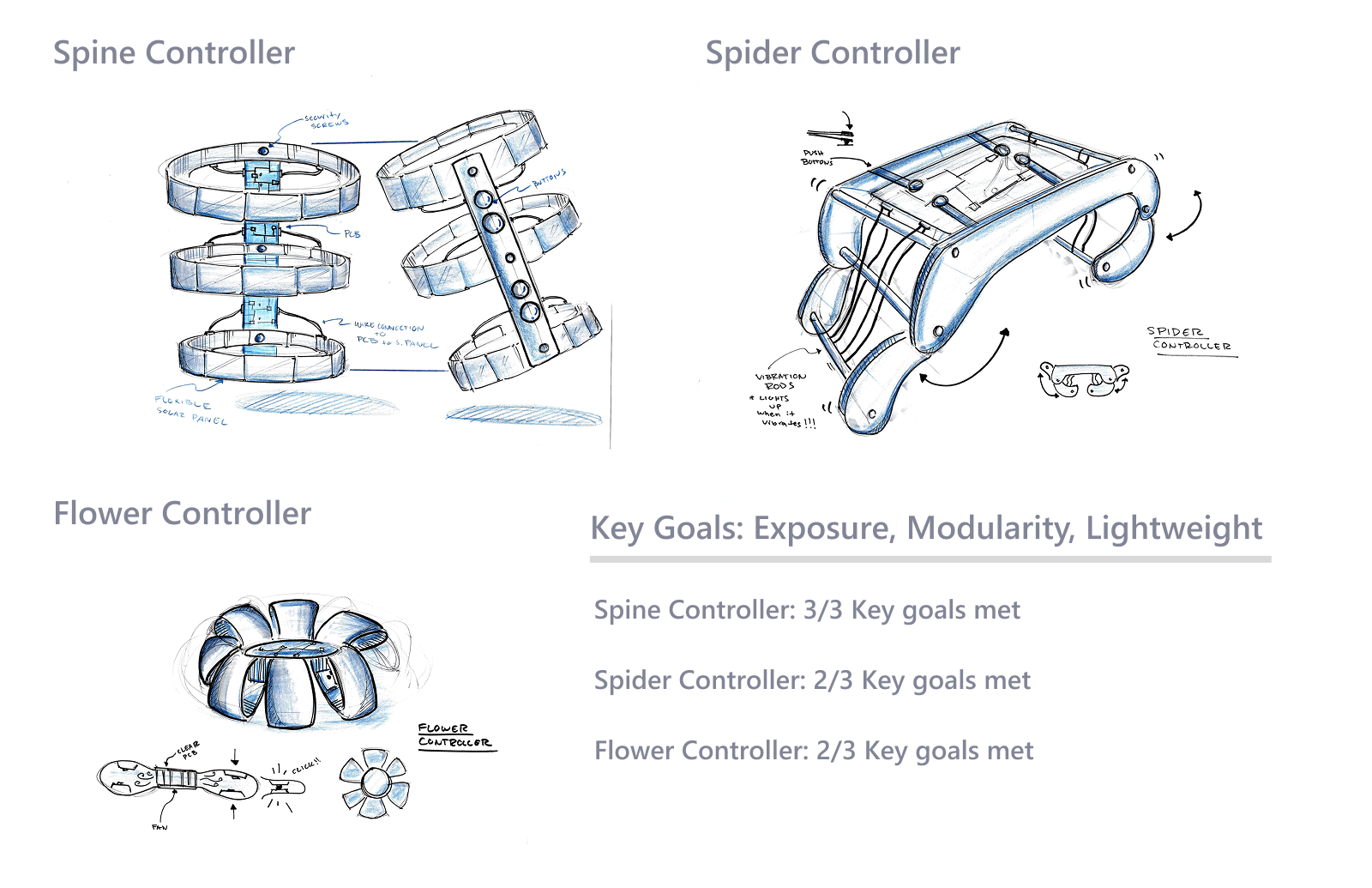
These three concepts stood out because they received the strongest feedback once I built prototypes for them. From there, I rated each concept against the same success criteria to identify which one performed best overall.
I chose the Spine design because it met the project goals better than the other concepts. The Spine controller could adapt to more game types, including shooting, racing, and multiplayer, without feeling bulky. It stayed compact, sleek, and lightweight, and even with the components exposed, it still looked like a finished product.
CAD Model
Color Material Finish
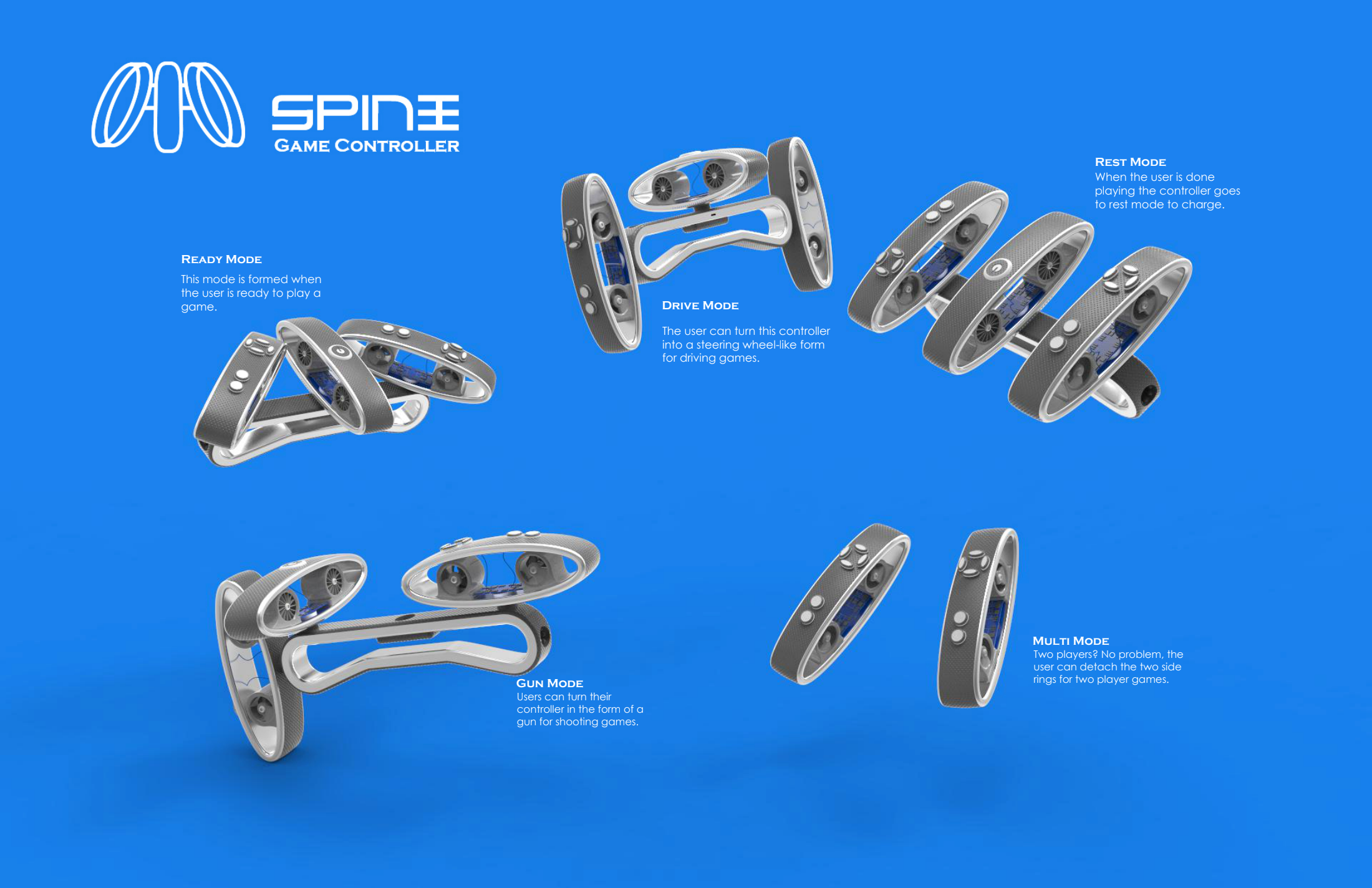
Game Controller Modes
This controller can change forms/orientation depending on the user's style or the game the user is playing.
My goal was to solve a persistent ergonomic issue: the physical fatigue caused by heavy game controllers during long sessions. By strategically stripping back the outer shell to expose the internals, I significantly reduced the weight without compromising structural integrity. The result is a 'skeletonized' design that feels both intentional and highly functional—proving that performance and transparency can coexist in a single, comfortable device.